TEACHx Attendees Celebrate 10 Years of Innovation in Teaching and Learning
Posted Date: June 23, 2026
Relive the highlights of TEACHx 2026 by watching the event recap video, which captures the energy, collaboration, and discoveries that defined the day.
Attendees recently celebrated the 10th anniversary of TEACHx, the annual conference that brings together instructors, students, learning designers, and technology specialists to explore innovative approaches to teaching and learning. Held May 13–14, the conference focused on the future of education through discussions of artificial intelligence, the student experience, accessibility, and human-centered pedagogical practices.
This year’s hybrid structure, with one half day of interactive online presentations and workshops and a second full day in person featuring panels, presentations, lightning talks, poster sessions, and more, enabled TEACHx to become an international event with strong participation from Northwestern University in Qatar and elsewhere. The conference again attracted a dedicated following within the Northwestern community and also drew one of the largest numbers of external participants in the event’s history.
Throughout the event, a consistent message emerged: even as tools and technologies evolve, effective teaching remains grounded in clarity, connection, and care.
Keynote Highlights the Importance of Understanding Gen Z Learners
Generation Z researcher Corey Seemiller, PhD, delivered the keynote, inviting attendees to reconsider assumptions about today’s college students and how best to support them.
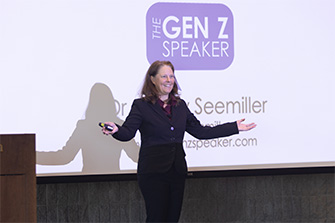
Drawing on more than a decade of research, Seemiller described Gen Z as deeply motivated by loyalty—to family, friends, and personal values—and by a strong desire to make an impact. That loyalty, she noted, is reciprocal: students respond positively when instructors demonstrate care through clear policies, thoughtful course design, and authentic engagement.
She emphasized that students are most engaged when learning feels purposeful and connected to real-world outcomes. For educators, this underscores the value of designing experiences that are relevant, collaborative, and meaningful.
Seemiller also addressed broader challenges facing higher education, including student well-being, shifting communication habits, and the growing role of AI. As students prepare for an increasingly uncertain workforce, she encouraged educators to balance technical skill development and academic exploration with opportunities for relationship-building and personal growth.
Her message reflected a central theme of the conference: innovation in teaching is most effective when it is guided by a deep understanding of students’ experiences.
Students Call for Clarity, Balance, and Connection in an AI Era
A student panel on AI in academia offered one of the conference’s most candid and practical discussions. Undergraduate and graduate students shared how AI is already shaping their learning—and what they need from instructors as its use becomes more prevalent.
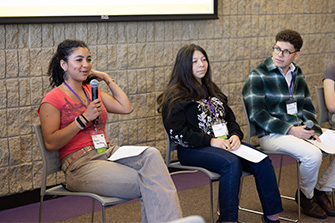
Panelists described using AI primarily as a learning support tool, helpful for tasks such as generating practice questions, organizing notes, debugging code, brainstorming ideas, and supporting language learning. While they highlighted efficiency and accessibility benefits, they stressed an understanding that AI is most valuable when it supplements—not replaces—their learning.
At the same time, students described feeling competing pressures, both to use AI to keep up with peers and to avoid becoming overly reliant on it. That tension reflects broader uncertainty about expectations for appropriate AI use across courses.
Students consistently called for clear, explicit guidance on when, how, and why or why not to use AI. Ambiguity, they noted, contributes to confusion around academic integrity, especially as policies and norms can vary widely between courses and instructors.
If you’re transparent with us, we’re more likely to be transparent with you.”
Melanie Medina
Undergraduate Student
Accessibility also emerged as a major benefit, particularly for multilingual learners and those who need additional learning support. Mohamed Ibrahim, an international undergraduate student at the McCormick School of Engineering and a non-native English speaker, shared examples of how he used AI to help him understand challenging phrasing in some of his assignments. He explained that he didn’t want AI to do the subject-specific work for him, but rather to double-check that he understood the nuances of the language in those assignments.
Despite the focus on technology, the panel repeatedly returned to a familiar priority: human connection.
One of the most important parts of school and college is having that connection with other students and with your teacher. ”
Gracie Shaw-Rothberg
Undergraduate Student
Students encouraged instructors to preserve opportunities for discussion, collaboration, and relationship-building in AI-enabled classrooms. Rather than ignoring or resisting the technology, panelists advocated for intentional integration that supports learning while maintaining academic rigor. They advocated for realistic and practical AI policies.
Their message reinforced a key takeaway from TEACHx: tools matter, but how they are used—and how instructors engage with students—matters more.
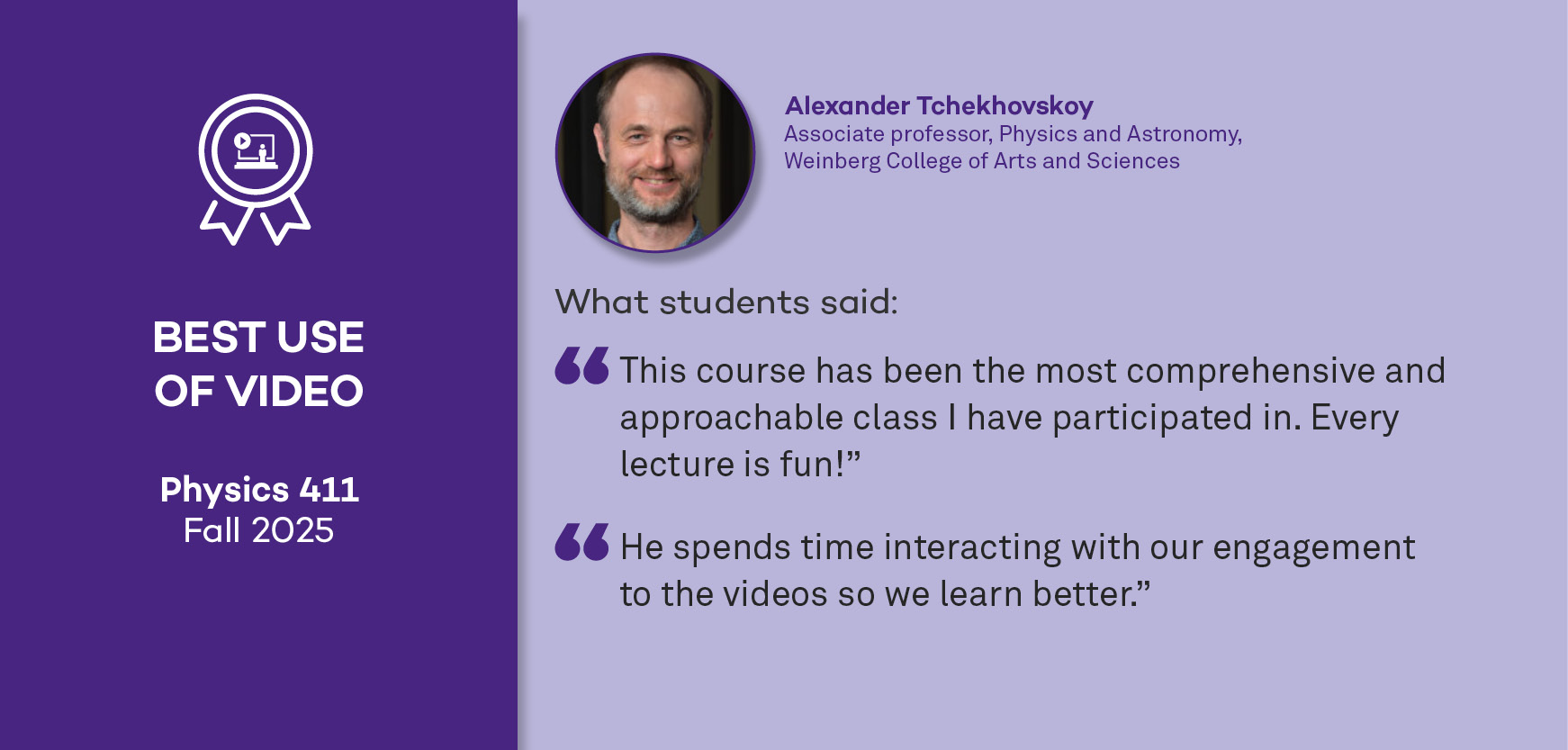
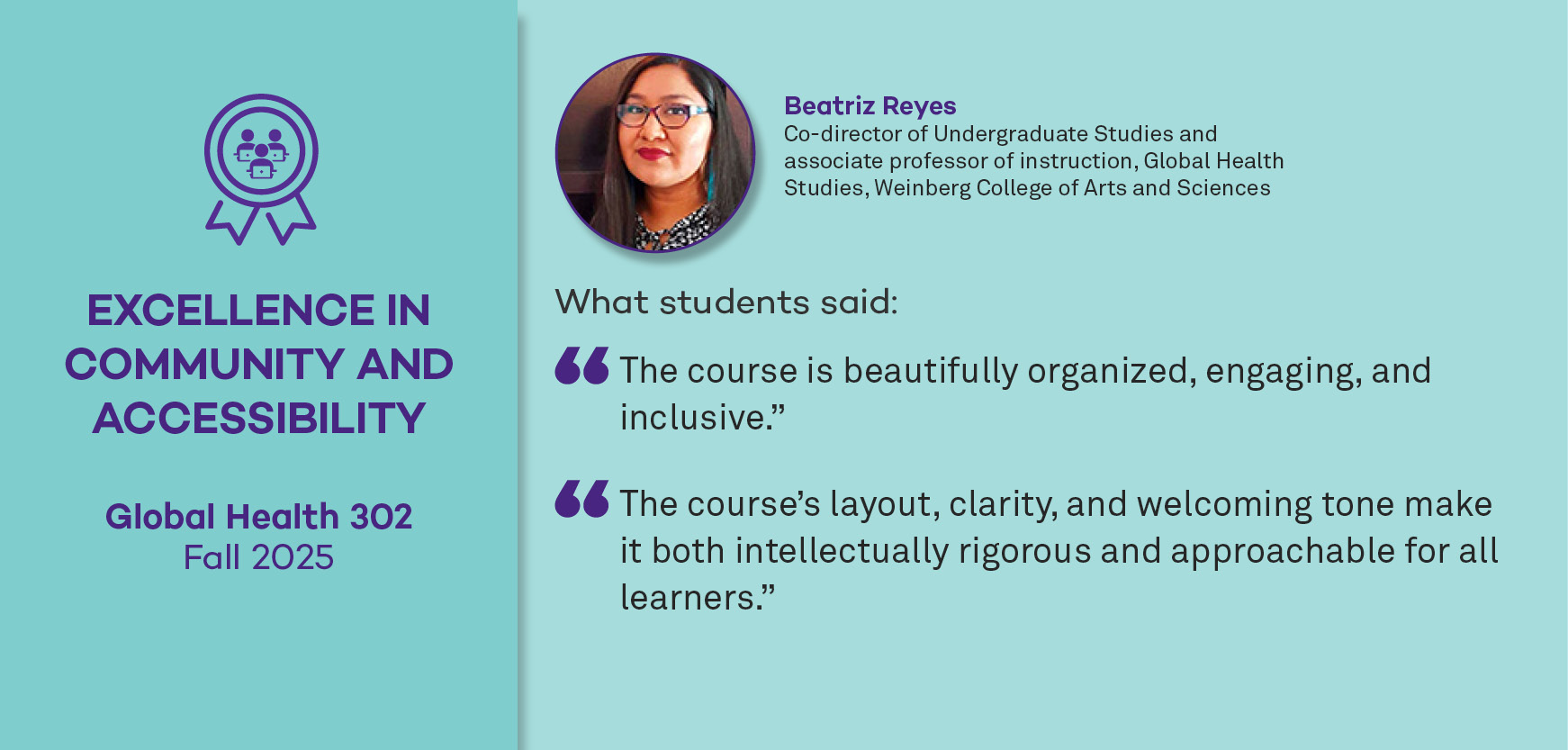
Canvas Hall of Fame Recognizes Excellence in Course Design
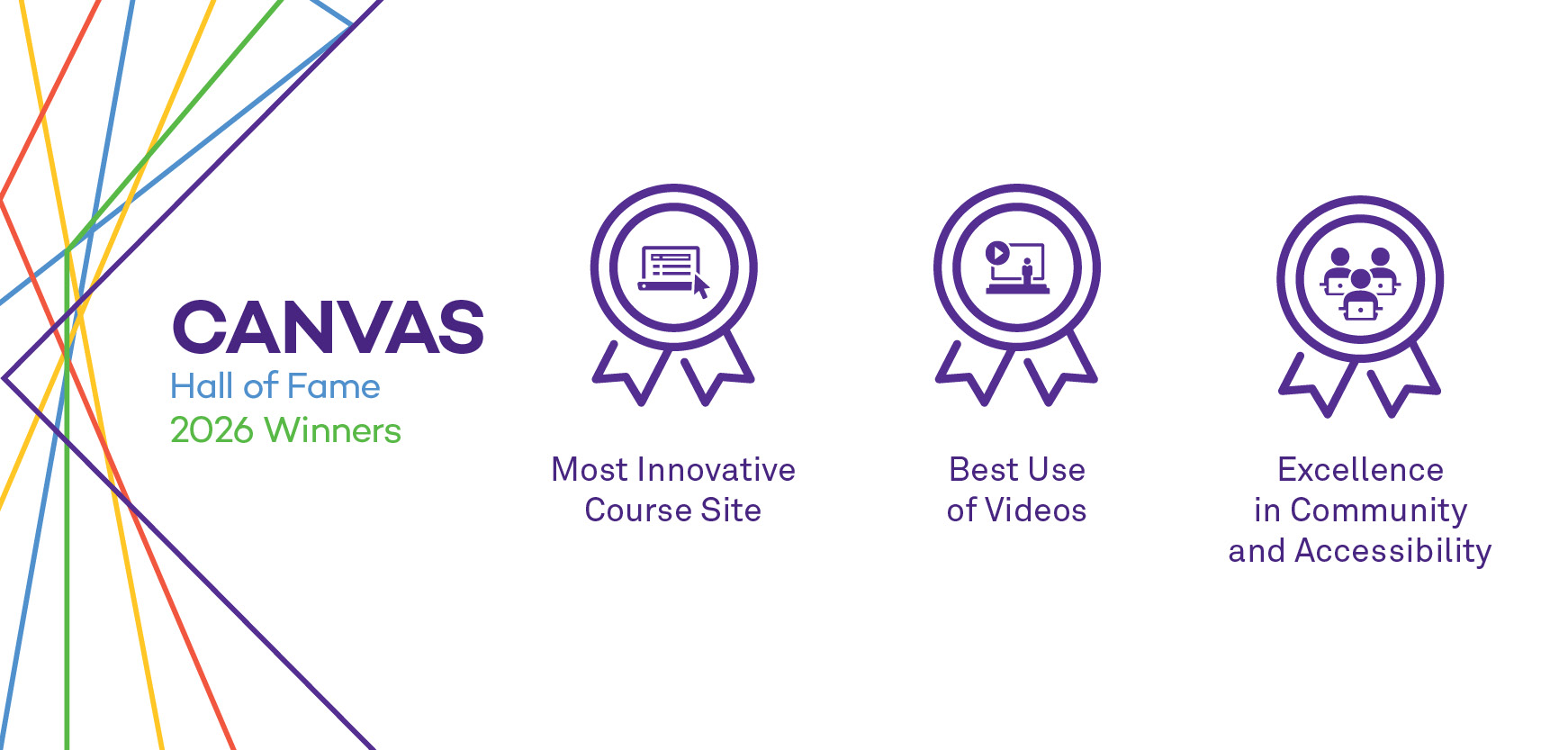
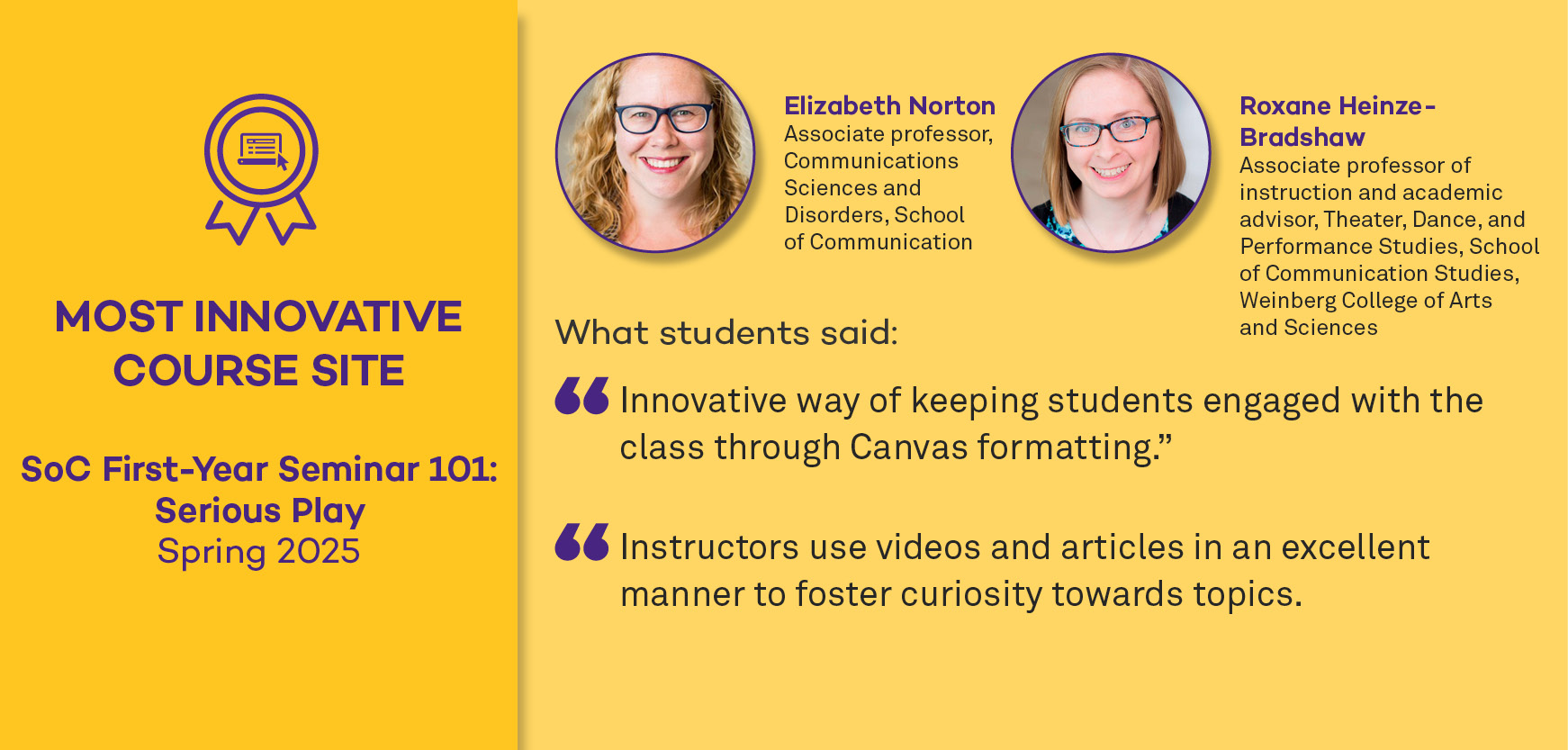
TEACHx 2026 also honored instructors whose Canvas course sites exemplify thoughtful, student-centered design through the annual Canvas Hall of Fame awards. These courses demonstrate how intentional use of digital tools can enhance clarity, engagement, and accessibility.


A Decade of TEACHx—and Looking Ahead
Over the past 10 years, attendees have engaged at TEACHx, allowing the conference to grow into a signature forum for sharing ideas, testing approaches, and reflecting on the evolving landscape of teaching and learning.
This year’s conference highlighted both change and continuity. While topics like AI and digital innovation continue to reshape the classroom, the core principles of effective teaching remain consistent: transparency, empathy, and meaningful connection.
Those principles will continue to guide how educators use technology—not only to enhance learning but also to support students as whole people in a complex and changing world.