
Get Started
Generative AI can be used for a wide variety of tasks. If you're just starting, ensure you are prepared to follow institutional guidance and get the most out of your AI explorations.
AI at Northwestern IT
Learning with AI
Generative AI is becoming part of everyday life, and this page helps students find information tailored to the Northwestern community. Get a quick overview of approved tools, academic support and library research resources, guidance on responsible use and data protection, and more.
Generative AI can be used for a wide variety of tasks. If you're just starting, ensure you are prepared to follow institutional guidance and get the most out of your AI explorations.

Whether you are studying, revising your writing, organizing your schedule, or more, get to know the available AI tools and learn how to leverage them to support your academic skill development.

Understanding what to look for when adopting AI is key to ensuring appropriate use and protecting University data.
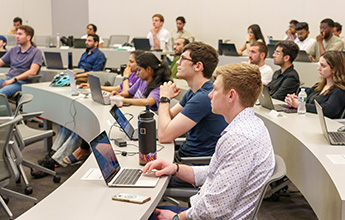
How to Use Generative AI Responsibly in Academia covers the basics of generative AI and underscores five essentials: follow instructor expectations, ask questions, cite your sources, be transparent, and use AI as a learning support—not a substitute.

Tools, resources, and strategies for AI use from ASLA, tailored for Northwestern students to support effective learning and academic success.

Guidance for evaluating AI-generated content, including assessing accuracy, credibility, bias, and appropriate use in research and academic work.

The Northwestern Network for Collaborative Intelligence (NNCI), through its FORGE initiative, helps students explore AI and data science through research and collaboration.

Instructors decide whether incorporating AI is appropriate for their course's learning goals. Review some of what they may consider when deciding their approaches to AI in the classroom, grouped into three categories—open, conditional, and closed.